How Commercial Kitchen Inspections Keep Your Exhaust System Safe and Compliant
If you have spent any time around a busy restaurant kitchen, you know the heat is relentless. Grills stay on for hours, fryers bubble at high temperatures, and the air fills with steam, smoke, and grease. That grease does not just disappear. It rises into the exhaust hood, travels through the ductwork, and collects on every surface it touches. Over time, that buildup becomes a serious fire hazard. That is where commercial kitchen inspections come into the picture. They are not just a box to check for the fire marshal. They are a practical, necessary part of running a safe kitchen.
What Drives the Need for Regular Inspections
The main reason inspections exist is fire safety. Grease is highly flammable, and when it accumulates inside an exhaust system, it creates fuel for a fire that can spread quickly. A single spark from a cooking surface, a malfunctioning piece of cooking equipment, or an overheated exhaust fan can ignite that grease. Once it catches, the fire moves fast through the ductwork, often before anyone realizes what is happening. That is why NFPA 96 exists. It is the standard that governs the design, installation, and cleaning of commercial kitchen exhaust systems. Inspections under NFPA 96 focus on whether the system meets the Bare Metal Standard, meaning all internal surfaces of the hood, ductwork, and exhaust fan must be free of any visible grease or debris.
Meeting that standard is not just about passing a restaurant inspection. It is about protecting your staff, your customers, and your building. When an inspector comes through, they look at every part of the exhaust system. They check the hood filters to see if they are clean and properly fitted. They look inside the ductwork for signs of grease buildup. They examine the exhaust fan blades and housing. They also verify that the fire suppression system is in working order, including the K-class fire extinguisher and the UL 300 listed suppression system. Every component matters, and missing one can lead to a failed inspection or, worse, a fire.
The Role of Kitchen Exhaust Cleaning in Compliance
Kitchen exhaust cleaning is the direct action that keeps your system within the Bare Metal Standard. It involves physically removing grease from every accessible surface inside the exhaust system. A professional cleaning crew will scrub the exhaust hood interior, scrape the ductwork, and clean the exhaust fan blades until they shine. They also clean the grease trap and check the hood filter condition. The goal is to leave no visible grease behind. That is what the inspector expects to see.
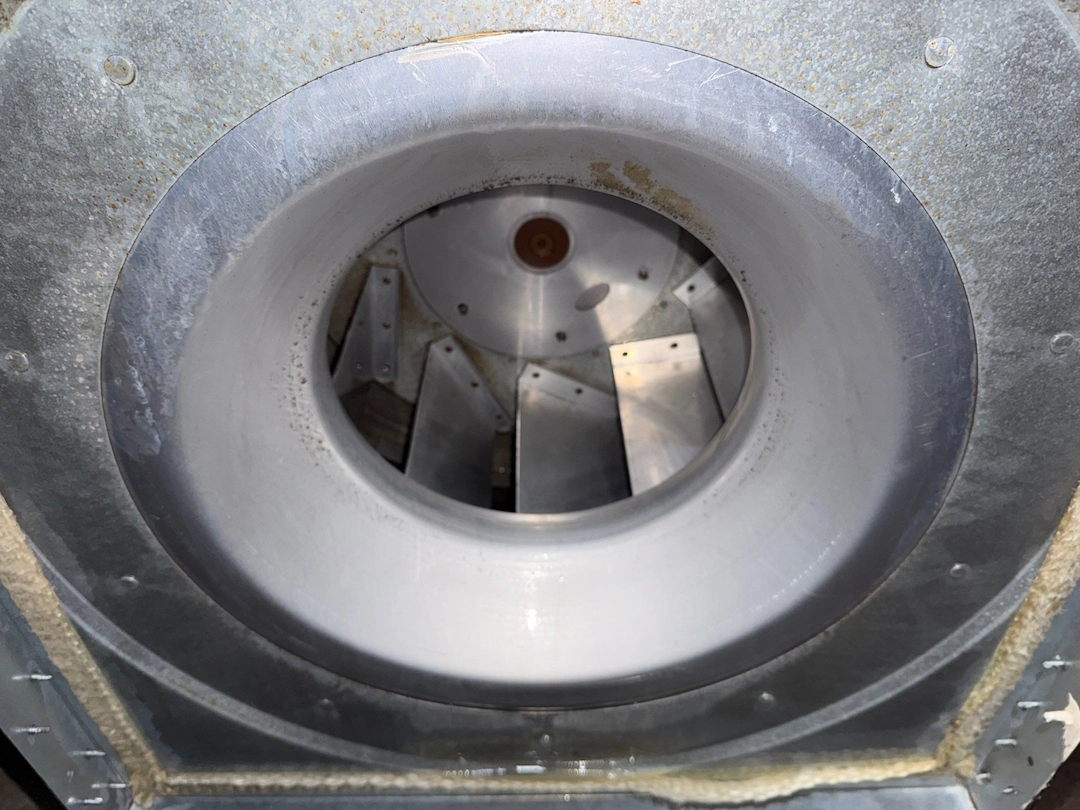
But cleaning alone is not enough. You need documentation that proves the work was done. Inspectors want to see cleaning logs, service records, and certificates from your exhaust cleaning provider. Without those, your commercial kitchen inspections can result in a violation even if the system looks clean. The paperwork shows that you are following a regular schedule, which is part of fire code compliance. Most jurisdictions require cleaning every three to six months, depending on the volume of cooking and the type of food you prepare. A high-volume fast food restaurant might need monthly cleaning, while a lower-volume bakery could stretch to quarterly. The key is to have a schedule that matches your actual use.
One thing I have learned from years in this industry is that many operators wait until an inspection is coming before they clean. That is a risky approach. If the cleaning crew finds heavy buildup, they may need extra time to get everything to the bare metal finish. And if the inspector shows up before the cleaning is done, you are looking at a citation or even a shutdown order. It is much better to stay on a consistent cleaning cycle and treat inspections as a confirmation of your ongoing effort, not a surprise test.
What Inspectors Look For
When an inspector arrives for a commercial kitchen inspection, they follow a checklist based on NFPA 96. They start at the exhaust hood and work their way through the entire system. Here are the main areas they examine:
- The exhaust hood interior and exterior for grease buildup and damage.
- The ductwork, including all joints and seams, for signs of grease accumulation or leakage.
- The exhaust fan blades, housing, and motor for grease deposits and proper operation.
- The hood filters to ensure they are clean, undamaged, and properly angled.
- The fire suppression system, including the nozzles, piping, and manual pull station, plus the K-class fire extinguisher.
If any of these areas show visible grease, the inspector will flag it. They also check that the exhaust system is installed according to the original design and that no modifications have been made that could affect performance. For example, adding a new piece of cooking equipment without adjusting the hood or ductwork can create a fire risk. The inspector will note that as a violation.
Common Mistakes That Lead to Failed Inspections
I have seen kitchens fail inspections for reasons that could have been avoided with a little extra attention. One common issue is neglecting the area behind the hood filters. Grease can build up there even if the filters themselves look clean. Another is forgetting about the exhaust fan on the roof. That fan works hard all day, and grease collects on the blades and inside the housing. If the cleaning crew does not get up there, the inspector will see it.
Another frequent problem is the fire suppression system. The system must be inspected and serviced by a qualified technician at least every six months, per NFPA 96. The inspector will check the service tag and look for any signs of leakage or damage. If the system has not been serviced recently, that is an automatic violation. The same goes for the K-class fire extinguisher. It must be in its designated spot, fully charged, and have a current inspection tag.

I once walked into a kitchen that had passed its cleaning inspection two weeks prior, but the exhaust fan was caked with grease. The cleaning crew had missed it because they did not have the right equipment to reach the roof. The restaurant got a violation and had to pay for a re-inspection. That is a costly mistake that could have been prevented by hiring a cleaner who includes the entire system in their scope of work.
How to Prepare for an Inspection
Preparation starts long before the inspector arrives. It begins with choosing a reliable kitchen exhaust cleaning provider who understands the Bare Metal Standard. Ask them about their process. Do they clean the entire ductwork from the hood to the fan? Do they provide a certificate of cleaning after each service? Do they document before and after photos? Those details matter when the inspector asks for proof.
Keep a log of every cleaning and every service visit. Write down the date, the provider name, and what was done. Also keep records for the fire suppression system and the K-class fire extinguisher. If you have a grease trap, include its cleaning schedule as well. When the inspector arrives, hand them a folder with all that documentation. It shows you take fire code compliance seriously.
On the day of the inspection, do a quick walkthrough yourself. Look at the exhaust hood. Is it free of visible grease? Are the hood filters in place and not clogged? Is the area around the cooking equipment clean? Check the fire suppression system. Is the pull station unobstructed? Is the extinguisher hanging where it should be? These simple checks can catch issues before the inspector does.
The Bigger Picture: Beyond the Inspection
Passing commercial kitchen inspections is important, but the ultimate goal is preventing fires. A clean exhaust system is your first line of defense. Grease buildup is not just a code violation; it is a fuel source that can turn a small kitchen fire into a catastrophic event. I have seen the aftermath of a grease fire in a restaurant, and it is not something anyone wants to experience. The damage goes beyond the kitchen. Smoke and soot can ruin the entire dining area, and the business may be closed for weeks or months.
That is why the Bare Metal Standard exists. It is not an arbitrary rule. It is a practical benchmark for safety. When you keep your exhaust system clean to that standard, you are doing more than satisfying an inspector. You are protecting your livelihood and the people who work for you.

In my experience, the kitchens that treat inspections as a routine part of operations have fewer problems. They stay on schedule with cleaning, they keep good records, and they build relationships with service providers who understand the requirements. They do not scramble when an inspection notice comes. They already know they are in compliance because they have been doing the work all along.
So if you run a commercial kitchen, take a hard look at your exhaust system. When was the last time it was cleaned down to the metal? When was the last time the fire suppression system was serviced? If you cannot answer those questions confidently, schedule a cleaning and a service visit before your next inspection. It is a small investment that pays off in peace of mind and real fire safety.